

Self-Regulation

What is self regulation?
Self-regulation is the ability to manage one's emotions, thoughts, attention, and behavior in ways that support goals and successful participation in a situation.
Self-regulation does not mean never becoming angry, frustrated, excited, or disappointed. Instead, it means learning how to recognize emotions and use appropriate strategies to respond.
CASEL describes self-management as the ability to manage emotions, thoughts, and behaviors effectively in different situations and to work toward personal and collective goals.
Examples of Self-Regulation
A student demonstrating self-regulation might:
- Take several slow breaths after becoming frustrated.
- Ask for help instead of giving when children experience consistent language and strategies across home and school. CASEL emphasizes the importance of partnerships among classrooms, schools, that development is ongoing. A student struggling with self-regulation today is not destined to struggle forever. Supportive relationships, intentional instruction, safe environments, and opportunities to practice new skills can contribute to resilience and healthy development. Research on early adversity and adolescent adjustment demonstrates both the potential risks associated with adversity and the potential protective value of early up.
- Wait for a turn to speak.
- Use a calm-down strategy after an argument.
- Move to a quiet area when overwhelmed.
- Break a large assignment into smaller steps.
- Pause before responding to an upsetting message.
- Recognize that they are angry and choose not to yell at a peer.
- Set a goal and monitor their progress.
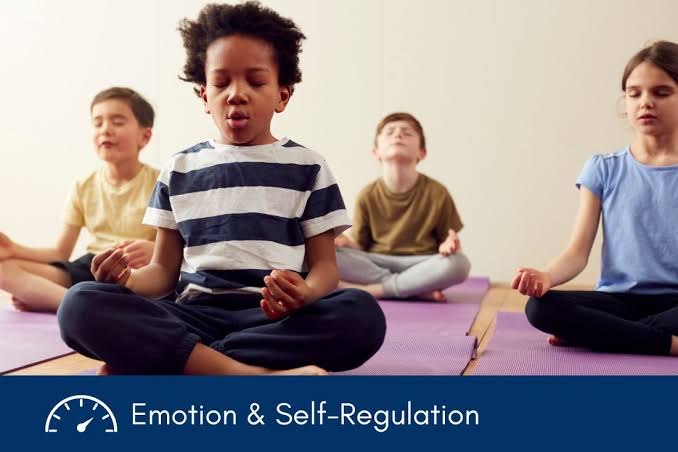
How Teachers Can Model and Encourage Self-Regulation
1. Model Your Own Thinking
Teachers can openly demonstrate healthy emotional regulation.
For example:
"I'm feeling frustrated because the technology isn't working. I'm going to pause, take a breath, and try another solution."
Students learn that emotions are normal and that people can choose how they respond.
2. Teach Specific Regulation Strategies
Do not simply tell students to "calm down." Teach them what they can do.
Strategies may include:
- Slow breathing.
- Counting.
- Positive self-talk.
- Taking a short break.
- Stretching or movement.
- Asking for help.
- Using a quiet space.
- Writing or drawing about emotions.
- Breaking a difficult task into smaller steps.
3. Create Predictable Routines
Consistent routines reduce unnecessary uncertainty and help students know what to expect.
Post visual schedules, preview transitions, establish clear expectations, and provide warnings before changes in activities.
Teachers can also offer appropriate choices:
"Would you like to begin with the reading questions or the vocabulary?"
Giving students manageable choices can promote independence and agency.
Create Your Own Website With Webador