

Family SEL Toolkit
Families play an essential role in social and emotional development. SEL is most powerful when children experience consistent language and strategies across home and school. CASEL emphasizes the importance of partnerships among classrooms, schools, families, and communities.
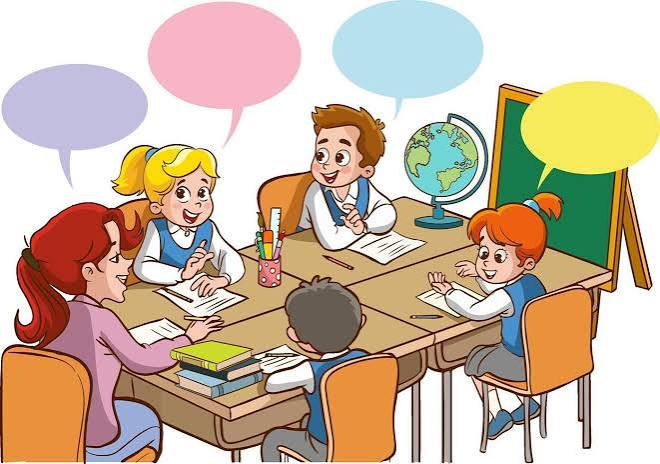
Families of Infants
Families can:
- Respond consistently to crying and other communication.
- Talk, sing, read, and make eye contact with their baby.
- Name emotions and needs.
- Establish predictable routines for sleep, meals, and transitions.
- Comfort children when they are distressed.
- Use calm voices and gentle physical interaction.
- Practice simple social games such as peekaboo.
Remember: Infants learn regulation through relationships. They need adults to help them regulate before they can consistently regulate themselves.
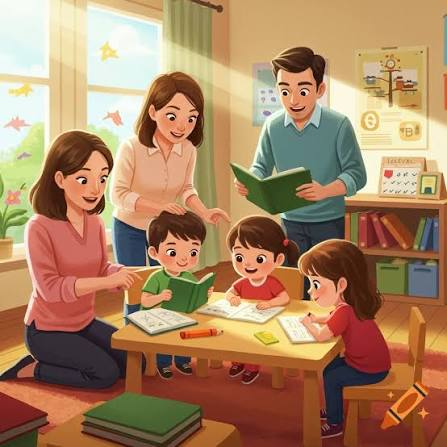
Families of Young Children
Families can:
- Name emotions: "You look frustrated."
- Read books and talk about characters' feelings.
- Practice taking turns during games.
- Give children simple choices.
- Use consistent routines.
- Practice breathing or calming activities when everyone is calm.
- Ask children to help solve everyday problems.
- Praise specific behaviors: "You waited for your turn even though you really wanted the toy."
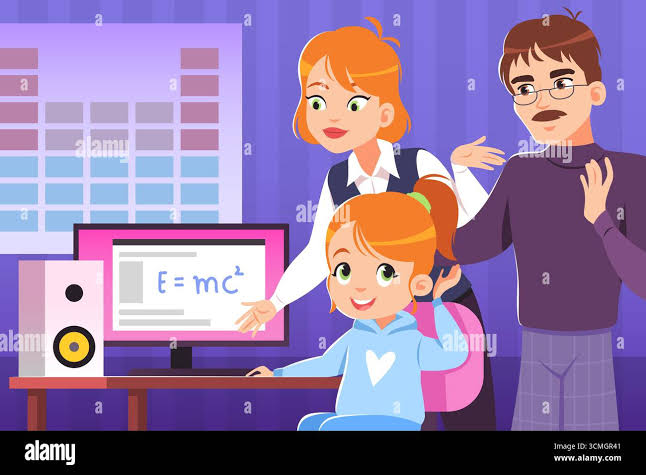
Families of Adolescents
Families can:
- Have regular conversations without immediately trying to solve every problem.
- Listen before giving advice.
- Encourage healthy sleep, movement, nutrition, and routines.
- Help adolescents identify stress-management strategies.
- Discuss possible consequences of decisions.
- Encourage realistic goal-setting.
- Model respectful disagreement.
- Talk about social media, peer pressure, friendships, and boundaries.
- Ask, "What kind of support would be most helpful right now?"
- Celebrate effort, persistence, and responsible choices—not only outcomes.
A Simple Home-School SEL Routine
Teachers can encourage families to use a five-minute conversation at the end of the day:
1. Feel:
"What emotion did you experience today?"
2. Notice:
"What happened that made you feel that way?"
3. Regulate:
"What helped you handle the feeling?"
4. Connect:
"Did someone help you today? Did you help someone else?"
5. Plan:
"What is one thing you want to try tomorrow?"
This routine can be adapted for young children or adolescents.


A Message for Educators
SEL is not an additional subject that has to compete with academic instruction. It can be integrated into the way teachers establish relationships, teach lessons, respond to conflict, organize classrooms, and communicate with families.
A caring classroom gives students opportunities to practice:
Recognize → Understand → Regulate → Connect → Decide
When educators intentionally teach and model these skills, students gain tools they can use in school, at home, in relationships, and throughout adulthood.
Most importantly, remember that development is ongoing. A student struggling with self-regulation today is not destined to struggle forever. Supportive relationships, intentional instruction, safe environments, and opportunities to practice new skills can contribute to resilience and healthy development. Research on early adversity and adolescent adjustment demonstrates both the potential risks associated with adversity and the potential protective value of early social-emotional intervention.
Create Your Own Website With Webador